

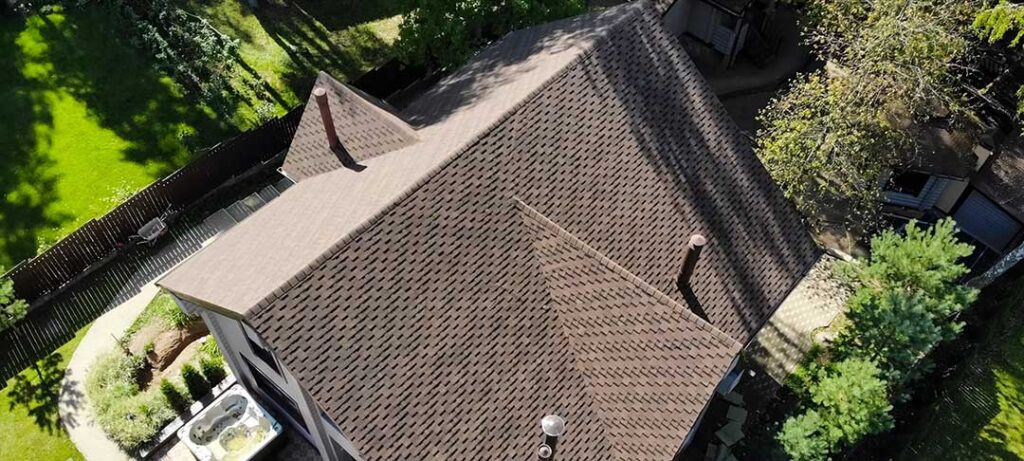
What Happens During a Roof Inspection in Rockford, MI?
A roof inspection in Rockford, MI involves more than just a quick look from the ground. A qualified professional conducts a step-by-step assessment, inside and out, to check the health and safety of a home’s roofing system. Inspections can reveal issues unique to the city’s climate, such as ice damming after harsh winters or ventilation problems during humid summers.
Why Is a Roof Inspection Necessary for Area Households?
Regular inspections help spot small concerns before they become expensive repairs. Many Rockford residents seek inspections after severe weather, before buying or selling a home, or simply as a precaution every few years. Some insurance policies or home sales in the city may also require documentation of a recent roof evaluation.
What Areas Are Included in an Inspection?
A thorough inspection covers both the exterior and interior of your roof system:
Exterior checks usually include:
- Shingles or roofing material — looking for curling, cracks, missing pieces, or heavy granule loss.
- Flashing and roof edges — checking for loose, rusted, or poorly sealed areas around chimneys, valleys, skylights, and walls.
- Gutters and downspouts — ensuring water is moving off the roof efficiently and not backing up under shingles.
- Soffits and fascia — watching for evidence of rot, animal entry, or inadequate ventilation.
Interior checks often include:
- Attic space — looking for signs of leaks, mold, mildew, water staining, or daylight visible through the roof boards.
- Insulation and ventilation — making sure there’s enough airflow for local seasonal shifts, which helps prevent both ice dams and excess moisture buildup.
Will Inspectors Go on the Roof?
Most professional inspectors (weather and roof conditions allowing) will walk on the roof to check its condition up close. If a roof is too steep, icy, wet, or fragile, binoculars, drones, or cameras on poles may be used instead. Safety and minimizing damage to the roof material always come first.
What Tools or Techniques Do Inspectors Use?
Inspectors in the city typically bring:
- Ladders of various sizes for safe access
- Flashlights for attic and under-eave assessments
- Moisture meters to detect hidden leaks
- Digital cameras or tablets to document problem areas for the homeowner
In areas with mature trees or frequent storm activity, inspectors might also look for debris impact or pest damage.
How Long Does a Typical Inspection Take in Rockford?
For a standard single-family house in Rockford, inspection visits usually last between 45 minutes and 2 hours. Factors affecting the timeline include roof complexity, size, accessibility (such as steep slopes or tight property lines), and whether attic access is available.
What Kinds of Problems Are Commonly Found in the Area?
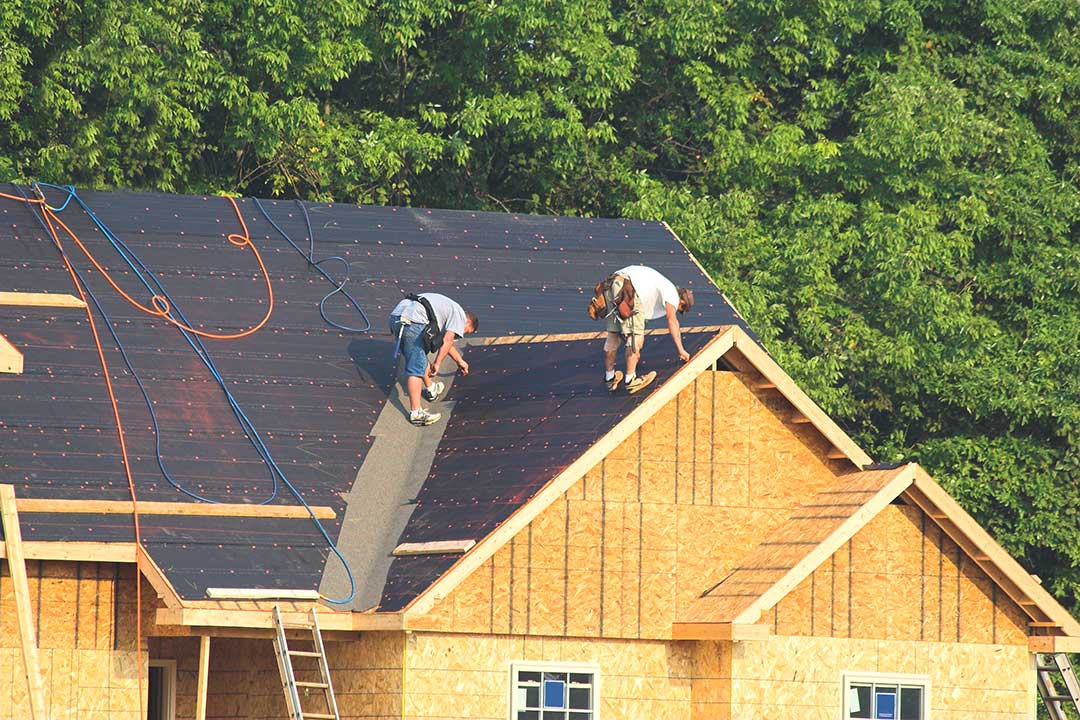
In Rockford, seasonal extremes can lead to specific roofing challenges:
- Ice dams forming at the roof edge after snow and freeze-thaw cycles
- Wind or hail damage from storms, often resulting in lifted shingles or pock marks
- Algae, moss, or lichen growth on north-facing or shaded roof sections
- Clogged or sagging gutters, especially in neighborhoods with mature tree cover
- Ventilation issues leading to condensation or mold, especially in older homes with sealed-off attic spaces
How Will the Inspector Share Findings?
It’s typical to receive a written report, often with digital photos of any issues found. Clear, unbiased explanations should accompany each finding, helping residents understand whether repairs are urgent, advisable in the near term, or simply maintenance items to watch.
Are Roof Inspections Noisy or Disruptive for Residents?
Most inspections are low-disruption. The main sounds may be the inspector on the roof, a ladder moving, or occasional tapping on vents or gutters. If attic access is needed, there may be brief activity inside the home, but the process rarely takes long or disturbs residents’ routines.
What Should You Do Before and After an Inspection?
Beforehand, clear the area around your attic entryway, and make sure pets or children are kept away from ladders and work zones. It’s helpful to move outdoor items (patio furniture, potted plants) that could block roof or attic access.
Afterward, review the inspection report and ask for clarification on anything unclear. If major safety issues—such as structural weakness or evidence of widespread leaks—are found, they may require timely attention.
Are Roof Inspections Different for Older Homes in the Community?
Many homes in the area have older roofs or unique rooflines. Inspectors often pay special attention to layers of old roofing, signs of structural sagging, unusual venting setups, or potential historic material concerns. Residents in these homes may benefit from more frequent checks.
Do Roof Inspections Ever Involve Permits, Regulations, or Codes?
A routine inspection itself doesn’t require permits or trigger city involvement. However, if the inspection identifies code violations, such as dangerous wiring near attic vents or improper alterations, the report may recommend further review. For significant repairs or a full roof replacement, local building permits and inspection processes often come into play.