

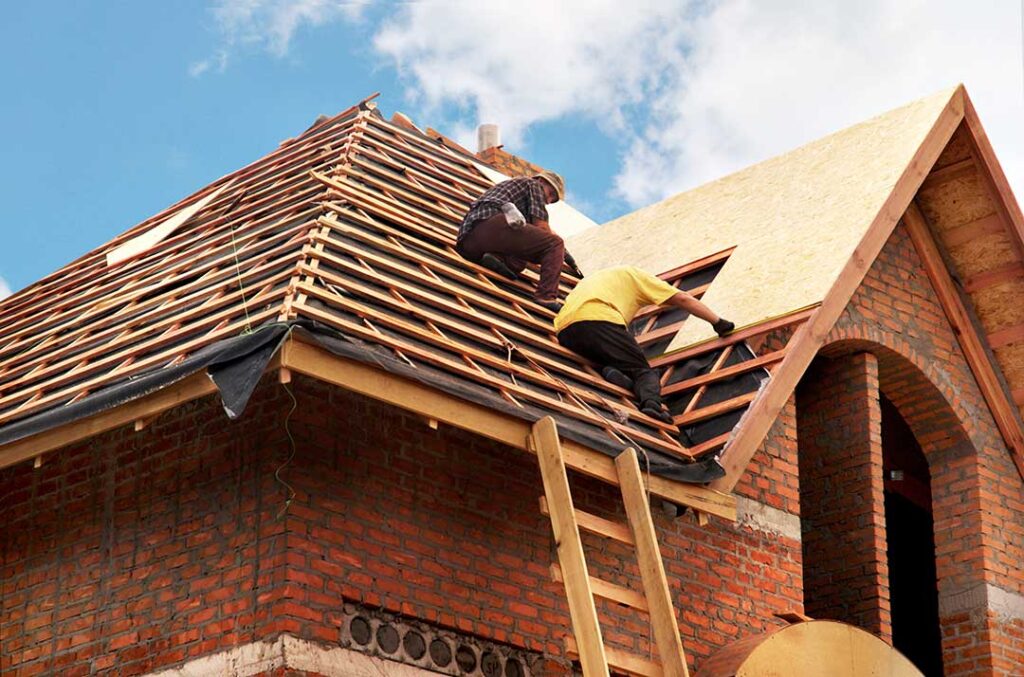
Why Check Your Roof After a Storm?
Severe weather in Rockford, MI—such as heavy rain, hail, and high winds—can damage even well-built roofing. Timely inspection can help area residents catch issues before they worsen into leaks or costly repairs. Homeowners who inspect their roofs soon after storms are more likely to maintain the longevity of their homes and avoid hidden water damage.
What Are the Signs of Obvious Roof Damage?
Major storm damage often leaves visible clues. First, carefully step outside and look at your roof from the ground. Use binoculars if possible to safely check for:
- Missing or noticeably shifted shingles
- Pieces of roofing material (shingles, tiles, flashing) on the ground
- Exposed wood or roofing underlayment
- Large branches or debris lying on the roof
Try to view as much of your roof as possible from different angles. However, prioritizing safety is essential—climbing on the roof right after a storm is never advised due to slippery surfaces and the risk of hidden structural damage.
How Can You Spot Subtle or Less Obvious Damage?
Not all storm damage is dramatic. Some problems develop where shingles only lift slightly or small cracks form. Residents in Rockford should look for:
- Shingles with dark spots or bruising (an indicator of hail impact)
- Granule piles by downspouts or in gutters (shingle wear from hail or wind)
- Bent, cracked, or rusty flashing around chimneys and vents
Check attics, ceilings, and upper walls indoors for new water stains, drips, or a musty smell. These subtle leaks might mean storm-related roof breaches.
Are Gutters and Downspouts Part of the Inspection?
Yes—gutters and downspouts play a major role in protecting Rockford homes during and after storms. After severe weather, check that gutters are securely attached and clear of branches or granule buildup. Downspouts should direct water away from the house’s foundation. Any sagging, overflowing, or detached sections might have been damaged and can worsen the effects of even minor roof leaks.
What Should You Do If You Find Tree Limbs or Debris?
Large tree limbs on rooftops are common after storms in the area’s tree-lined neighborhoods. If safe to do so, remove lightweight debris using a rake or broom from the ground. Heavy limbs may have punctured the roof or dislodged shingles. In these situations, avoid walking on the roof to inspect or move the debris—structural weakness or hidden holes could be risky. Instead, document the damage with photos and address major removal only when conditions are completely safe.
Why Does the Season Matter in Rockford?
Rockford’s weather patterns can influence what damage appears. In spring and summer, hail and wind may leave loose or puckered shingles. Fall storms introduce heavy rain, meaning even small holes show themselves through attic leaks or gutter overflows. In winter, freeze-thaw cycles and ice dams (thick ridges of ice at the roof edge) can reveal weaknesses that went unnoticed in warmer months. Adjust your inspection habits accordingly as the seasons change.
How Long After a Storm Should You Inspect?
Checking your roof is most effective within 24-48 hours after a storm, provided it’s safe. Immediate inspection helps identify urgent concerns (like large leaks or significant debris) quickly and makes it easier to tell fresh damage from older wear and tear. If multiple storms have recently passed through, look for any new or worsening conditions each time.
Common Misconceptions About Storm Damage
Some residents assume if shingles are all present and no leaks are visible, their roofs survived unscathed. However, local experience shows:
- Even a single missing shingle can let water in, especially when combining with strong winds
- Minor granule loss often goes unnoticed but accelerates shingle aging
- Hail doesn’t have to crack shingles to decrease their effectiveness—impact marks can cause premature failure
Relying on surface appearances alone can lead area homeowners to overlook developing problems.
What Are the Safety Considerations for Self-Inspection?
Safety should always come first during roof inspections, especially after severe weather. Use the following guidelines:
- Stay on the ground; avoid climbing ladders if the roof or the ground is wet, icy, or unstable
- Wear sturdy, non-slip shoes if you must access the attic or upper floors to check for leaks
- If structural damage (such as sagging or holes) is suspected, keep out of affected rooms until professionals have evaluated them
Never try to repair or walk on a storm-damaged roof in unsafe conditions; wait until you are certain the structure is stable.
When Are Professional Evaluations Necessary?
Most Rockford residents can handle basic visual checks and note possible damage. However, if there are signs of structural sagging, major leaks, widespread missing shingles, or if it’s unsafe to inspect certain areas, further evaluation may be warranted for safety and insurance purposes. Collecting documentation (notes, photos) during a visual assessment can support next steps if any major damage is discovered.