

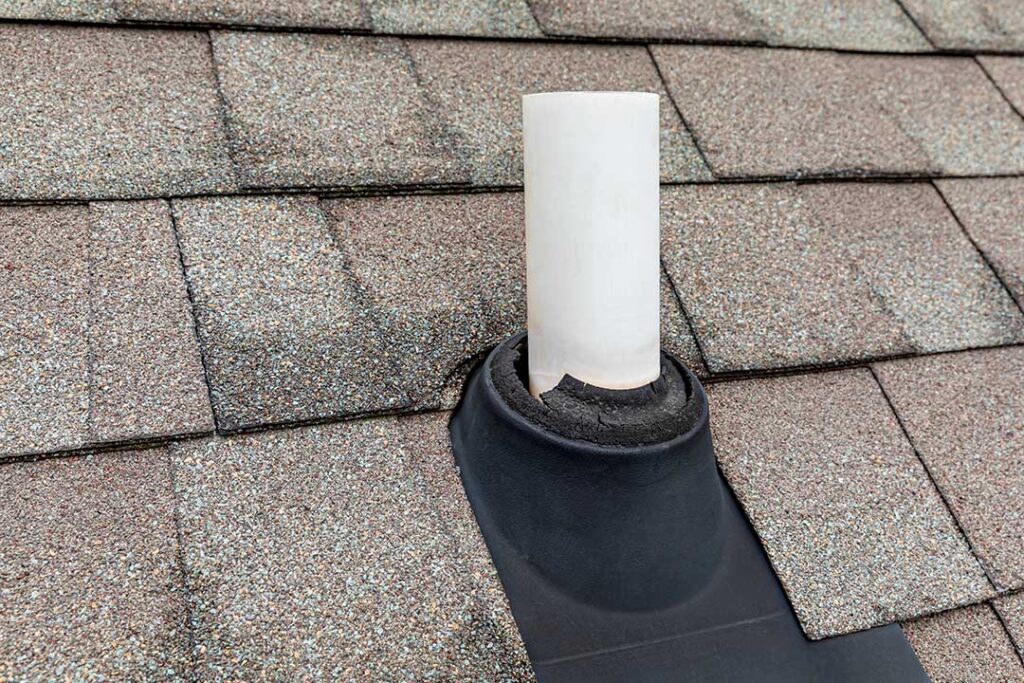
What Are Mold and Mildew, and Why Do They Grow on Roofs?
Mold and mildew are types of fungi that thrive in damp, shaded environments—common conditions on residential roofs in Rockford, MI. Both can appear as discolored patches, but mold is usually darker and can range from green to black, while mildew tends to be lighter, presenting as gray, white, or yellowish areas. Local homes, situated in a climate with warm summers and snowy winters, are particularly susceptible because roof surfaces may remain moist for extended periods due to humidity, dew, and leaf debris.
Growth is most common on parts of roofs with heavy shade from trees or those facing north, as less sunlight means longer drying times after rain or melting snow. Roofs in areas of the city with mature tree cover can be especially prone to these issues.
How Can I Spot Mold and Mildew on My Roof?
Signs of mold and mildew are usually visible from the ground if the affected areas are extensive, but sometimes close inspection is needed. When trying to assess your roof safely:
- Look for streaks or patches that are green, black, gray, or white.
- Notice any unusual fuzzy or powdery textures.
- See if certain sections of your roof remain damp longer than others after rainfall.
- Check if there are any musty or earthy smells coming from your attic or upper floors.
It’s common for residents to mistake stains caused by aging shingles, algae, or dirt for mold or mildew. However, true fungal growth often looks irregular and spreads in patterns rather than uniform lines. If you see colored spots that appear to be “growing” or changing over time, they’re likely biological.
What Causes Mold and Mildew to Develop on Local Roofs?
The humid, frequently wet climate in Rockford contributes to perfect conditions for fungal growth. Contributing factors include:
- Shade from nearby trees that reduces the drying effect of sunlight
- Accumulation of organic debris like leaves, pine needles, or twigs which retain moisture
- Poor attic ventilation, causing heat and humidity to build up under shingles
- Damaged or missing shingles, allowing water to seep in
- Gutters and downspouts clogged with debris, causing water to back up and sit on the roof edge
Older homes, which are common in the community, may be especially susceptible if their ventilation or insulation have not been updated.
How Do Mold and Mildew Affect Roof Longevity and Indoor Air Quality?
Fungal growth on roofing materials can accelerate shingle deterioration by breaking down protective layers and trapping moisture. Over time, this can lead to premature aging or leaks. Attics affected by moisture intrusion may develop persistent musty odors, and in severe cases, airborne spores can travel inside, possibly aggravating allergies or respiratory issues.
Homeowners are sometimes concerned only with roof aesthetics, but mold and mildew can signal underlying problems like poor drainage or ventilation that, if unaddressed, may result in larger repair needs or indoor health complaints.
Are Certain Roof Areas More Vulnerable in Rockford Homes?
Yes, specific spots are typically higher risk, especially in the city’s neighborhood layouts:
- North-facing slopes and valleys, which receive the least direct sunlight
- Areas beneath large, overhanging trees or near wooded property borders
- Roofs with complex angles, dormers, or flat sections where water may pool
- Under or around roof objects like chimneys, skylights, and vents, since debris tends to collect there
Regularly observing these zones can help residents catch early signs before the problem spreads.
Can Residents Mistake Algae or Dirt for Mold and Mildew?
Algae, which usually appears as black streaks, is sometimes confused with roof mold. Local residents often see this on older asphalt roofs. While algae does not eat away at shingles as aggressively as fungi, it can still hold moisture and support further biological growth, including mold. Common dirt stains, on the other hand, are typically brown and do not spread or grow.
A key difference: If a stain appears to be spreading or thickening, it’s likely mold or mildew rather than simple dirt or algae.
What Local Weather and Seasonal Patterns Influence Roof Fungal Growth?
In Rockford, spring and fall are classic periods for roof mold and mildew issues because of frequent rains, lingering dampness, and fluctuating temperatures. Melting snow in early spring can leave roofs wet for days, especially if debris blocks proper drainage. Summer thunderstorms combined with humid air also promote fungal growth, particularly if tree cover prevents thorough drying.
Regular inspections after these wet seasons help area households spot early issues and address them before they worsen.
What Should Residents Do If They Suspect Mold or Mildew on Their Roof?
Residents who notice discolored, fuzzy, or musty-smelling areas should:
- Visually inspect from the ground with binoculars before attempting to go on the roof
- Document changes or growth over time to determine if an issue is spreading
- Check for visible moisture buildup, clogged gutters, or shaded spots that stay damp
- If accessing the roof, always use safe practices: secure ladders, non-slip shoes, and avoid going up during wet or icy conditions
For severe mold, widespread stains, or if the material appears slimy or iridescent, avoid direct contact and consider seeking guidance to rule out hazardous species.
Are There Simple Prevention Steps for Local Homeowners?
Area homeowners can reduce the risk of mold and mildew by:
- Trimming back overhanging branches to increase sunlight exposure
- Cleaning gutters and downspouts seasonally to prevent water backup
- Clearing roof debris in spring and fall (after the last snow melt and after leaves drop)
- Checking attic insulation and ventilation periodically to minimize excess humidity
- Repairing damaged shingles or flashing promptly to block future leaks
Taking these routine maintenance steps tailored to Rockford’s seasonal weather and typical tree cover can significantly reduce recurrence.