

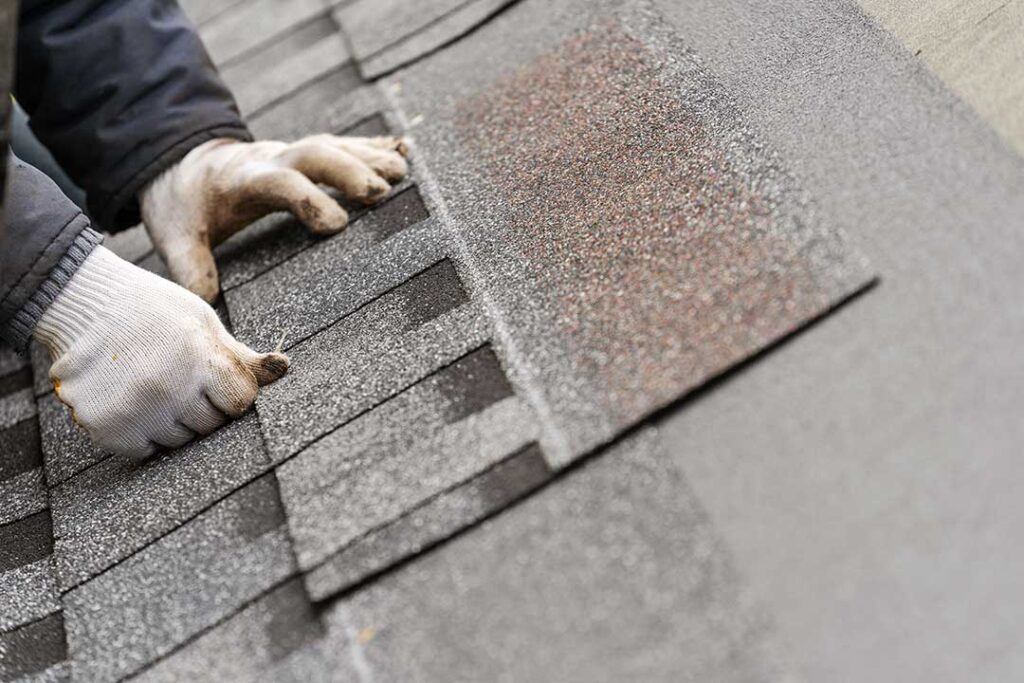
What should guide a roof color decision?
The right roof color should work with the home’s exterior, local climate, neighborhood character, and long-term maintenance needs. In Rockford, MI, seasonal changes make it especially useful to consider how a roof will look in bright summer sun, against autumn foliage, and beside snow-covered surroundings.
Roof color is not only a style choice. It affects how large or small a home appears, how well exterior materials coordinate, and how easily dirt, algae, fading, and weathering may be noticed over time.
Before looking at color samples, examine the permanent features that are unlikely to change soon:
- Siding or masonry
- Brick, stone, or foundation colors
- Trim, gutters, and exterior doors
- Driveway and walkways
- Window frames
- The overall roof shape and pitch
A roof usually covers more visible area than homeowners expect. A small sample can look very different once it is installed across a broad, sloped surface.
How do you match the roof to the home’s siding and exterior materials?
A roof does not need to match the siding exactly. It generally looks more balanced when it complements the siding by sharing a color family, repeating an undertone, or creating a controlled contrast.
For example, a home with warm beige, cream, or brown siding may coordinate well with roofing that includes brown, tan, charcoal, or muted earth tones. Gray, blue-gray, or white siding often works with charcoal, slate, gray, or weathered-looking blends.
Brick and stone deserve special attention because they often contain several colors. Instead of matching the most obvious color, look for a quieter shade found within the masonry. A roof that repeats a secondary tone can tie the exterior together without making the home appear overly coordinated.
Strong contrast can be effective, but it should be intentional. A very dark roof beside light siding may create a crisp appearance, while a similar-value roof and siding may make the home look softer and more uniform. Neither approach is automatically better.
Are dark or light shingles better for Michigan’s climate?
Neither dark nor light roofing is universally best. The practical difference is usually modest compared with factors such as ventilation, insulation, attic air sealing, roof orientation, and the quality of the installation.
Dark roofing generally absorbs more solar heat than lighter roofing. That may contribute to warmer roof surfaces during sunny weather, although the effect on indoor comfort depends heavily on the entire attic and building-envelope system. A properly insulated and ventilated attic can reduce the impact.
Lighter colors may reflect more sunlight and can be appealing on homes with light siding or a modern exterior. However, a light roof is not automatically cooler indoors, and it may show certain types of staining or discoloration more clearly.
For homes in the area, the more useful question is whether the roof color fits the home and whether the attic system is functioning properly. Roof color cannot compensate for inadequate insulation, blocked ventilation, or air leakage.
Which colors make a house look larger or smaller?
Roof color can influence visual proportions, but it does not change the actual size of the home.
A dark roof often creates a stronger visual boundary and can make a one-story home appear more grounded. On a tall or narrow house, it may emphasize the roofline. A lighter roof may blend more closely with the sky and exterior, sometimes making the roof appear less dominant.
The roof’s pitch matters as much as the color. A steep roof presents more visible surface area, so a highly contrasting color may become the main feature of the exterior. A low-slope roof may show less from the street, making small differences in color less noticeable.
Architectural style also matters. Traditional homes often suit blended, muted, or historically familiar colors, while contemporary designs may accommodate stronger contrast. The goal is a proportionate appearance rather than simply choosing the lightest or darkest option.
How should seasonal weather affect the choice?
Seasonal appearance is easy to overlook. A roof that looks attractive beside green summer landscaping may appear different against bare trees, gray skies, or snow.
In Rockford, MI, homeowners may want to view samples under several conditions:
- Direct sunlight
- Cloudy daylight
- Morning and late-afternoon light
- A wet surface after rain
- Surrounding snow or leaf cover
Some roofing blends contain several tones that become more noticeable at close range. From the street, those colors often merge into a broader visual shade. Viewing a sample from both near and far distances helps prevent surprises.
Tree cover is another factor. Homes surrounded by mature trees may look well suited to charcoal, brown, or subdued blends. However, heavy shade can also make a dark roof appear even darker. Homes with broad, open exposure may show more glare and color variation in direct sunlight.
What roof colors hide dirt, staining, and weathering?
Mid-range and blended colors tend to hide ordinary dust and minor surface variation better than very light or very dark roofs. A uniform, bright color may show dirt more clearly, while a solid black roof can make pale debris, fading, or mineral deposits easier to notice.
Roof staining is not caused by color alone. Moisture, shade, airflow, roof orientation, and nearby trees all affect how quickly discoloration appears. A roof that remains damp for long periods may develop visible staining regardless of whether it is light or dark.
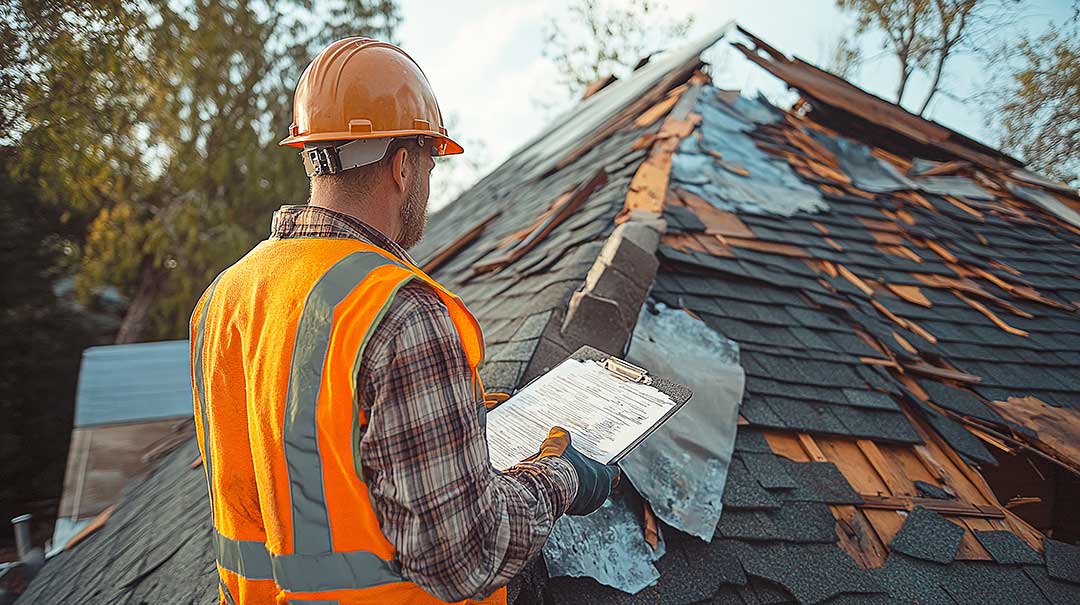
Color can also affect how fading is perceived. Multi-tone blends may make gradual changes less obvious than a highly uniform color. It is still wise to choose roofing designed for the expected weather conditions and to follow manufacturer maintenance guidance.
Should the roof match the gutters, trim, or front door?
The roof does not need to match every exterior detail. Too many exact matches can make a home look flat, while too many competing colors can make the exterior feel disconnected.
A practical approach is to coordinate the roof with one or two major elements:
- Match or complement the gutters when they are highly visible.
- Repeat a roof undertone in the trim or shutters.
- Use the front door for a smaller accent color rather than matching it to the roof.
- Consider whether replacement windows or future siding changes may alter the exterior palette.
Gutters are often overlooked during color selection. Because they run along the roof edge, they can either soften the transition between roofing and siding or create a noticeable outline. Their color should support the overall exterior rather than draw attention away from the roof.
What common roof color mistakes should be avoided?
The most common mistake is choosing from a small indoor sample without viewing the color outdoors. Artificial lighting can change the appearance of grays, browns, and mixed blends.
Other mistakes include:
- Matching the roof to only one small exterior feature
- Ignoring brick, stone, or permanent masonry
- Choosing a trendy color without considering resale or future exterior changes
- Assuming a darker roof will solve attic heat problems
- Forgetting to view the roof from the street
- Selecting a color before considering the home’s roof shape
- Comparing samples only in bright midday sunlight
A useful test is to place several larger samples against the exterior and observe them for a few days. Look from the sidewalk, the driveway, and upper-level windows if possible. Colors often change substantially as the light moves across the property.
Is a neutral roof color the safest choice?
Neutral colors are usually the most adaptable, but “safe” does not mean automatically suitable. Charcoal, medium gray, brown, and blended earth tones can work with many siding colors and are less likely to conflict with future exterior updates.
A neutral roof is particularly practical when the home may receive new siding, replacement windows, or updated trim later. It provides flexibility without requiring every future change to coordinate with a distinctive roof.
A more noticeable color may still be appropriate when it reflects the home’s architecture and surrounding setting. The key is to evaluate the entire exterior as one composition, including materials that cannot easily be replaced.
For local homes facing strong seasonal changes, a balanced, moderately varied roof color is often easier to live with than an extreme shade. The best choice is one that complements the permanent exterior, remains visually comfortable in different weather, and fits the home’s proportions for many years.