

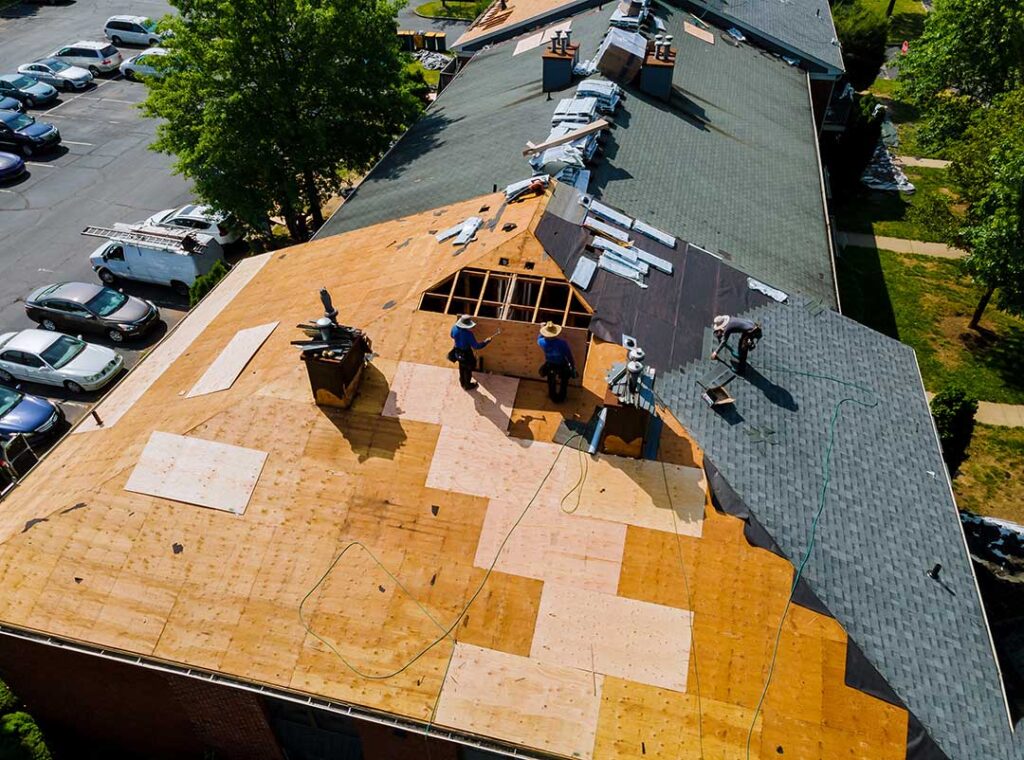
Why Should Rockford, MI Residents Prepare Roofs for Hurricane Season?
Preparing a roof for hurricane season can prevent significant storm damage, even in areas like Rockford, MI, where strong winds and heavy rain may accompany late summer and fall storms. While the area doesn’t face coastal hurricanes, intense weather patterns occasionally bring high winds and sustained rainfall that can strain local roofs.
Homes here are often surrounded by mature trees, experience seasonal storms, and feature roofing systems more accustomed to snow than hurricanes. Being proactive keeps families safer, reduces emergency repairs, and protects valuables indoors.
What Roof Issues Should Local Residents Anticipate During Storm Season?
Local roofs may be especially vulnerable to wind uplift, water infiltration, and impact from tree limbs. Issues frequently seen during severe weather include:
- Shingles torn or lifted by wind gusts
- Leaks where flashing is poorly sealed or damaged
- Water pooling due to clogged gutters or low slope areas
- Debris accumulating in valleys and causing water to back up
These issues may be subtle at first, but even minor weaknesses can worsen quickly under heavy rain and strong winds.
How Can You Inspect Your Roof for Storm Readiness?
Start with a careful ground-level inspection to spot immediate red flags before climbing or using a ladder.
1. Examine shingle surfaces for curling, cracking, or missing pieces.
2. Look for obvious loose or rusted flashing around chimneys and vent pipes.
3. Check soffits and fascia for signs of water staining or pest infestation.
If you feel comfortable and it’s safe, a closer inspection on a dry, calm day can reveal:
- Nail pops or loose fasteners in shingles
- Soft spots or depressions in the roof structure
- Accumulation of granules in gutters
Not all problems are easy to see from below, so it’s easy to overlook small leaks or worn roofing materials until after a storm hits.
What Preventive Steps Make a Roof More Resilient?
Several actions can help local households reinforce roofs ahead of peak storm months:
- Replace broken, missing, or poorly adhered shingles to prevent wind getting underneath
- Secure or reseal loose flashing and caulk gaps around vents and chimneys
- Clean gutters and downspouts fully so water flows away efficiently
- Trim branches and clear tree debris overhanging the roof
- Reinforce weak connections where roofing meets decking, especially if past repairs used minimal nails or staples
Even small improvements—like removing a pile of leaves from a valley or fixing a loose vent boot—can reduce risk of water entry.
Are There Common Misconceptions About Storm-proofing Roofs?
Many assume Midwest roofs designed for snow loads are automatically proofed against wind and rain, but the roof’s ability to shed water and stay sealed is just as important as its strength. Some mistakenly believe strong gutters alone will protect the roof, but clogged valleys, missing shingles, or weak seals at penetrations can each become entry points for water.
Another misconception is that only old roofs need attention. Even relatively new roofing can have installation errors or materials that degrade in the sun, making regular checks valuable for any home.

What Roofing Materials Perform Best in Heavy Wind and Rain Here?
Local homes typically feature asphalt shingles, but not all products are alike. Shingles rated for higher wind resistance are preferable, especially at roof edges and ridges where uplift is greatest. Underlayment with effective water resistance and ice & water shield in valleys can further reduce leakage risk.
Metal roofing is rare but offers very high wind tolerance and sheds debris cleanly. That said, proper installation and securement are key—materials alone don’t guarantee protection.
Should You Make Temporary Emergency Roof Repairs During a Storm?
If a storm damages the roof, use temporary repairs only when it is safe and weather conditions allow. Examples include:
- Covering an exposed area with a tarp, secured with boards or battens along the edges
- Placing buckets or plastic sheeting in the attic to capture water from a new leak
Never attempt roof repairs during dangerous conditions—winds and wet surfaces make even flat roofs hazardous. Once it is safe, document damage clearly before making more permanent fixes.
What Local Factors Influence Roof Vulnerability to Storms?
The city’s landscape of mature trees adds beauty but increases risk of impact damage from falling limbs or branches. Homes in Rockford often have overhanging maple or oak trees, which may shed substantial debris during high winds. Additionally, gutter systems in the area can become clogged with seasonal leaf fall, leading to water backup.
Many roofs are vented for moisture management in winter, so it’s especially vital these penetrations remain watertight before storm season. Area homes also often feature attached garages or porches where the transition from one roof surface to another can create weak spots.
How Often Should Local Homeowners Inspect and Maintain Storm Readiness?
Ideally, households should check roofs each spring and again before autumn storms. After severe weather, a follow-up inspection helps catch new issues early.
Prioritize:
- Visual checks from the ground after every major wind or hail event
- Hands-on inspections at least once a year if safe to do so
- Clearing gutters and downspouts several times per growing season
Local habits of pre-winter roof inspection continue to serve area residents well, but adding a late-summer check ensures roofs are ready to withstand any surprise severe weather typical of an active storm season.