
Can Tree Limbs Really Harm a Roof?
Yes, tree limbs can cause significant wear and damage to residential roofs, especially in areas where mature trees are close to homes. In Rockford, MI, neighborhoods lined with maples, oaks, and evergreens frequently face these issues due to dense tree canopies and four-season weather fluctuations.
How Do Branches Cause Roof Damage?
Tree limbs may appear harmless from the ground, but when they hang over homes, several risks develop. Direct contact occurs when limbs touch the roofing surface, often during windy days. This friction can slowly erode shingles, dislodge protective granules, and weaken the roof’s outer layers. Over time, even minor rubbing can shorten a roof’s lifespan.
Local windstorms or heavy winter ice, both common in Rockford, can cause larger limbs to break and fall. Impact from even small branches can crack shingles, puncture underlayment, and, in some cases, create leaks. Snow and ice buildup on overhanging limbs can increase the risk of a branch snapping, particularly toward late winter.
Are Leaves and Twigs a Problem, Too?
Leaves and small debris that collect on rooftops, especially valleys and gutters, can hold moisture against the roofing materials. In the city, dense tree cover leads to annual debris buildup each fall. Prolonged moisture from these piles may promote algae, mold, and moss growth along the roof and in gutters.
Clogged gutters caused by twigs or leaf litter keep water from draining properly. Overflow can result in water backing up under shingles and leaking into attics or wall cavities, sometimes causing structural damage that isn’t obvious until significant repairs are necessary.
What About Squirrels and Other Wildlife?
Branches near a roof are a natural highway for area wildlife. Squirrels, raccoons, and even stray birds use these limbs to gain access to the roof, sometimes chewing through soffits, vents, or shingles. Once inside, animals may nest, leading to additional roofing and insulation damage.
Spotting fresh scratch marks, scattered insulation, or hearing animal activity in the attic are common signs that nearby trees are assisting animals in reaching the roof.
Do Overhanging Limbs Worsen Storm Damage?
Homes with overhanging limbs often see greater damage after storms than houses with clear rooflines. In Rockford, spring and summer thunderstorms with strong gusts can break weaker or diseased branches, causing them to fall directly onto roofs. Even if a branch does not puncture roofing materials, it can dislodge shingles or leave behind deep scars in the surface, making the roof more prone to future leaks.
Residents should be aware that ice storms—an occasional issue during Rockford winters—cause tree limbs to become heavy and brittle, increasing the odds of a sudden break.
How Close Is Too Close for Branches?
Ideally, mature branches should remain several feet away from the roof’s edge to prevent wind-driven contact. In Rockford, trees often grow close to homes as part of the local landscape. As a practical guideline:
- Large limbs should not extend over the roof’s surface.
- The recommended clearance is at least 6-10 feet, allowing for branch sway during storms.
Young saplings planted too close to a house can become a problem over time as they mature. Homeowners should consider the full height and spread of common local varieties when planning their landscaping.
Can Overhanging Branches Lead to Ice Dams?
Accumulated snow and lowered sun exposure due to overhanging limbs can create temperature differences across a roof. Shaded areas stay colder, while nearby sunlit roof sections may thaw faster. This temperature variation can contribute to the formation of ice dams along the eaves—an ongoing winter concern for Rockford households. Ice dams can lift shingles and trap water against the roof, increasing the risk of leaks and interior damage.
Are Some Roof Types More Vulnerable?
All basic residential roofs can be affected by overhanging limbs, but some are particularly susceptible. Asphalt shingles, the most common roofing material in the city, are more easily worn down by physical abrasion. Wood shake roofs are at risk for moss and moisture retention under leaf piles. Metal roofs avoid some moisture issues but can be dented by heavy falling limbs.
Flat or low-slope roofs tend to accumulate debris and moisture more quickly, further raising the risk of leaks if gutters are blocked.
What Steps Can Reduce Risks?
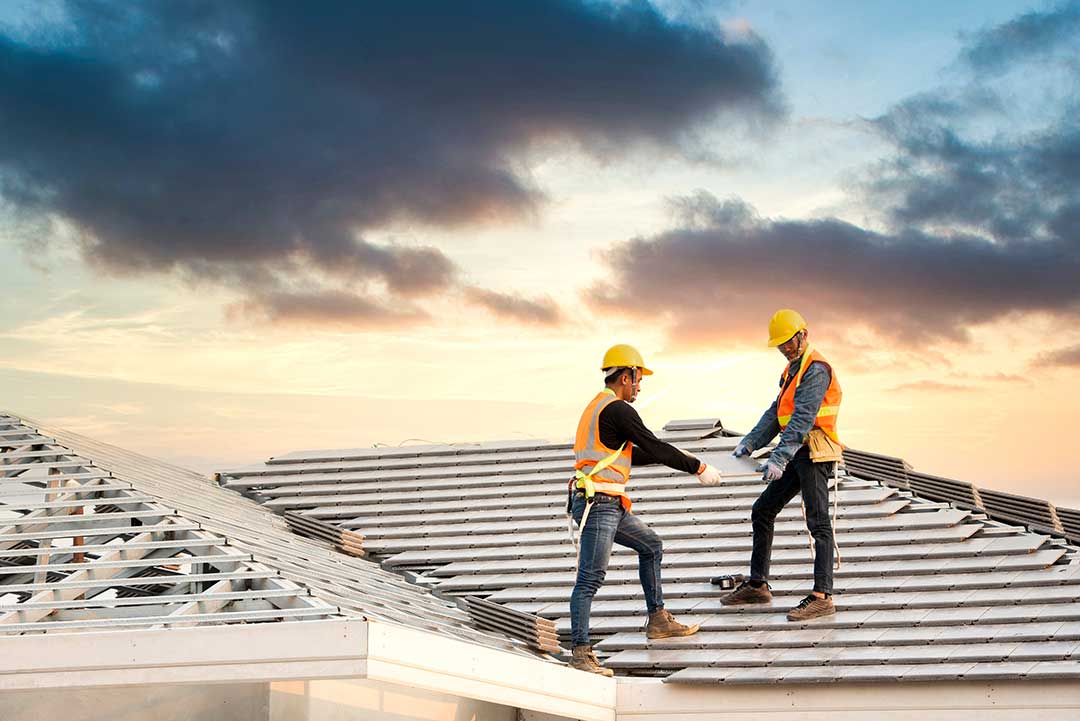
Routine roof and tree inspections are the most effective precautions. In Rockford, late spring and early fall are good times for both roof checks and landscape maintenance, considering the growth cycles and local weather. Useful practices include:
- Removing fallen leaves and branches before winter snow arrives.
- Clearing gutters multiple times each year, especially after autumn leaf drop.
- Monitoring tree growth and having problematic limbs trimmed back when safely accessible (while following local guidelines for homeowner tree work).
If a branch is large, over power lines, or in a tricky spot, addressing it may go beyond ordinary upkeep and become a safety matter.
Common Misconceptions About Tree Limbs and Roofs
Many assume only large, heavy branches are dangerous, but even small, flexible twigs can cause repeated abrasion over time. Another overlooked factor is that limbs do not need to be in direct contact with the roof to be a hazard; even “close but not touching” branches may cause trouble during storms or as they grow.
Some people think older, slow-growing trees are automatically safe. However, aging limbs may be brittle and more likely to fall unexpectedly after an ice storm or high winds.
Why Local Conditions Make a Difference
Rockford’s four-season climate, mixed tree canopy, and residential development patterns all play a role. Factors unique to the area include:
- Annual temperature swings causing freeze-thaw cycles.
- Local ordinances regarding tree maintenance for safety and utility line clearance.
- Prevalence of mature trees in many established neighborhoods.
Understanding these local influences puts residents in a better position to recognize when trees may become a roofing risk and take appropriate action to safeguard their homes.